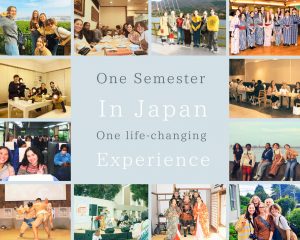
Where did EAI students go in their free time?
During their stay in Japan, EAI students receive an allowance for a self-guided field trip. They may choose a destination from the recommendation list provided by TCU or select a place they personally wish to visit.
Here are some of the places students went!
Destination1: Kyoto
| What did you enjoy (or not enjoy)? What did you learn from this trip?:
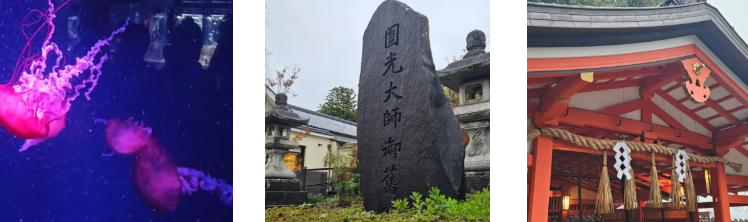
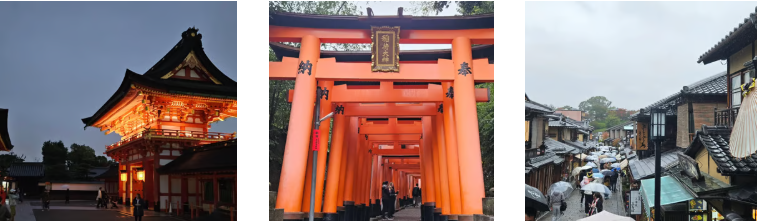
I really enjoyed how varied Kyoto felt depending on where we were. At the Kyoto Aquarium, the playful penguins were one of the most entertaining parts, and the different kinds of luminescent jellyfish were surprisingly beautiful to watch. Ninenzaka was a complete shift in atmosphere, with very traditional architecture, small artisan shops, and really good snacks that made the whole area feel warm and historic. Fushimi Inari Shrine was on an entirely different scale. The architecture felt massive and almost overwhelming, especially with the sheer number of torii gates stretching up the mountain. Even the smaller stops between sections of gates were peaceful and scenic in their own way. One thing that surprised me was how high the English literacy seemed in Kyoto. More people appeared comfortable with English compared to Tokyo. At the same time, the number of foreigners in popular areas was so high that even places that should have felt suburban were crowded like an urban center. It made me think a lot about over-tourism and how it affects local spaces.
|
| Do you recommend this location to the future EAIs?:
Yes, absolutely. Kyoto is beautiful, deeply cultural, and very different from Tokyo. The traditional districts and major shrines are especially memorable, and I think future EAIs would enjoy experiencing this side of Japan. |
Destination2: Shinjuku
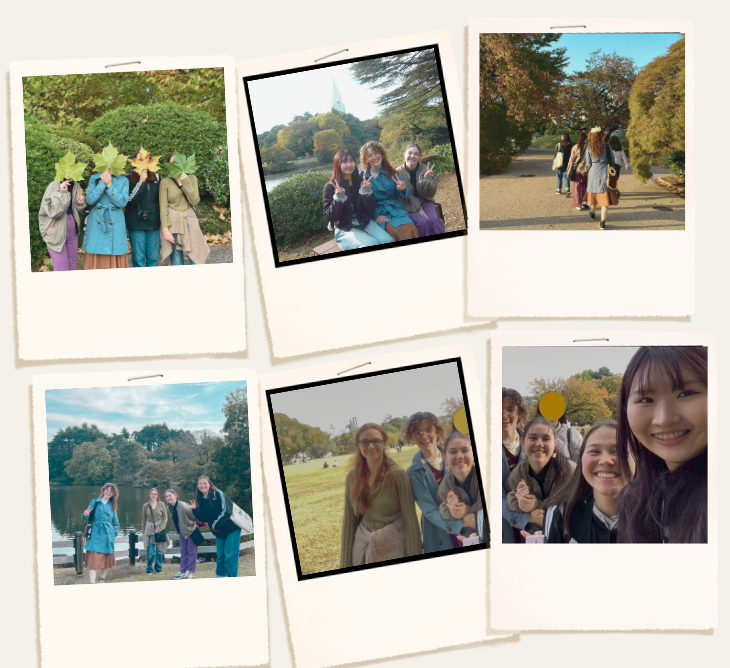
| During our self-scheduled trip, a group of friends and I visited Shinjuku to see a Japanese-track friend working at a café and to explore Tokyo during fall break. We wandered through Mega Donki, enjoyed a picnic and stroll in Shinjuku Gyoen National Garden, and later headed toward Meiji Jingu, where we admired the torii gate and golden ginkgo trees. After dinner at a local ramen shop, we ended the day with dessert at our friend’s café before heading home.
Other than seeing the gardens themselves because nature is so refreshing, the most impactful part of the trip was getting to know our Japanese track friend better. I find the time I spend speaking only Japanese to be so meaningful, because even though our conversations are often stilted or more basic grammatically, I cannot overlook the beauty of connecting with someone over a language gap. In cases where words more consistently fail, it seems to me that nonverbal communication shines more brightly, including body language but also spiritual language. My heart is always warmed when people who aren’t fluent in one another’s languages try their hardest to get to know one other because it requires more effort and intentionality, so is always more genuine.
|
Destination 3: Tokyo National Museum
| What did you enjoy (or not enjoy)? What did you learn from this trip?
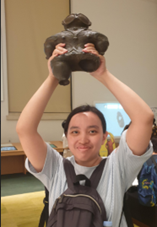
I enjoy seeing a lot of the Jomon era period crafts, yayoi era pottery and the samurai armor, swords (wakizashi, tantou and katana, uchikatana). I also saw Hideyoshi Toyotomi armor and saddle. It’s so detailed and interesting to see Japan’s arts, pottery even weapon and armor. There’s even a section in the Museum that explain how the process to make a miso soup bowl, and there’s even the patch of the process and transition from wood to the smooth bowl texture. I never know that there’s like 20th steps or so to make a beautiful miso soup bowl with the lid and the design too. It’s fun to learn about it and touch the Dogu replica in my hands. but the parts that I don’t really like is just seeing the buddha inspired statues and the fox masks displayed in the museum, a few of them is a bit scary to be honest. I only see part of the museum and I haven’t explored all the paintings section yet but it’s fascinating to see the transition from detailed arts in Jomon, to Yayoi, long paintings scroll in Heian era, the Chinese influence in the paintings and pottery the use of dragon motifs and black and white paintings in scrolls. Near the modern era, the pottery becomes more practical rather than decorative and simple for the purpose of use. This trip is very educational for me who knows nearly nothing about Japanese arts. |
| Do you recommend this location to the future EAIs?
I think this trip introduce me a lot about Japanese culture and Arts, which I can’t experience anywhere else. It’s important to learn about Japanese Arts while the students are here. |
|
I enjoyed all of the automotive hisotry especially when I was able to see and interact with famous race cars that I grew up watching online and playing in videogames. It wa truly a childhood dream to see these cars in person. It was also cool that there is a race track right next the the museum. The Fuji Speedway. It was amazing because I could hear all the race cars roaring by when we arrived that morning.
What did you learn from this trip?: I learned that Museums are actually really awesome when it envolves things that you are actually interesed in. I’ve never really been to a museum that has captivtated me as much as this one. Do you recommend this location to the future EAIs?: Only if you are truly intrerested and enthralled by cars. Of course anyone can go see these cars but It takes a sort of knowledge and appreciation to fully make the experience a surreal experience. 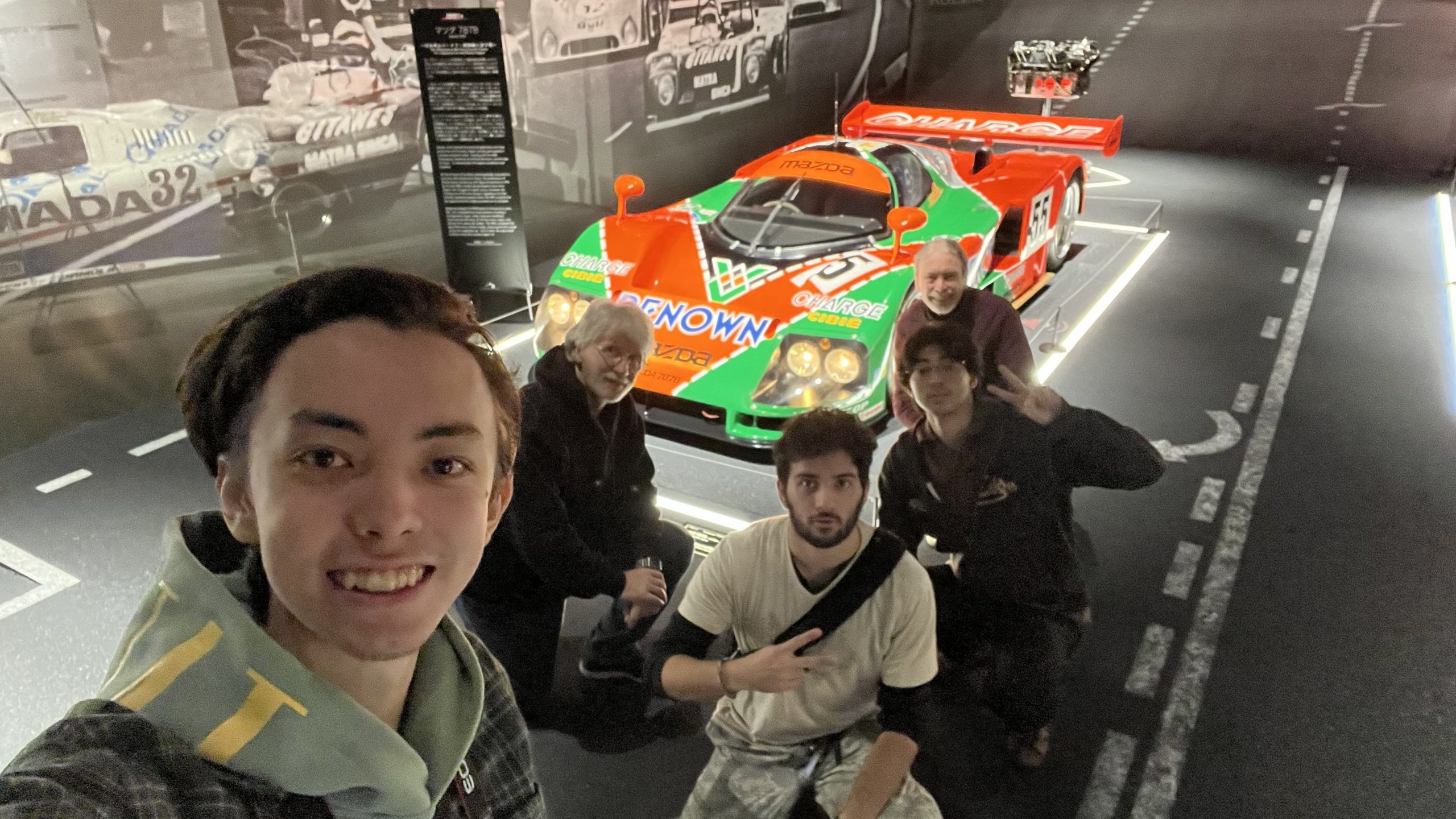 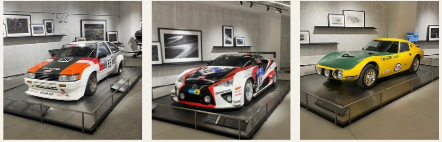 |